Fort Lee Basement Waterproofing
Licensed NJ Home Improvement Contractor
What Is Basement Dehumidification?
Basement dehumidification in Fort Lee, NJ is the process of controlling relative humidity in the basement or crawl space to prevent condensation, mold growth, and structural damage to floor joists and subfloor sheathing. Fort Lee experiences hot, humid summers with dew points that regularly exceed 65°F — conditions that send basement humidity above 70%, the threshold at which mold colonies establish and grow on organic materials. A properly sized, correctly installed dehumidifier maintains humidity in the 45 to 55% range year-round, protecting the structural components above and the air quality throughout the house. For basements that already have active water intrusion, dehumidification works alongside waterproofing — not as a substitute for it.
What This Service Involves
Basement dehumidification begins with measuring the actual relative humidity and identifying the contributing moisture sources — concrete wall seepage, floor condensation, or air infiltration through windows and vents. A dehumidifier is selected based on the square footage of the space, the typical humidity load, and whether the unit needs to operate in cooler basement temperatures. Standard portable dehumidifiers lose efficiency below 65°F; low-temperature models designed specifically for basement and crawl space use maintain output through colder months. Installation involves positioning the unit in the lowest and most moisture-affected area of the basement, connecting a condensate drain line to a floor drain or utility sink, and ensuring adequate airflow around the unit. Where no gravity drain exists, a condensate pump routes the collected water to an appropriate discharge point. Annual filter cleaning and periodic coil inspection maintain long-term efficiency.
Signs You May Need Basement Dehumidification
- Humidity readings above 60% in the basement during any season
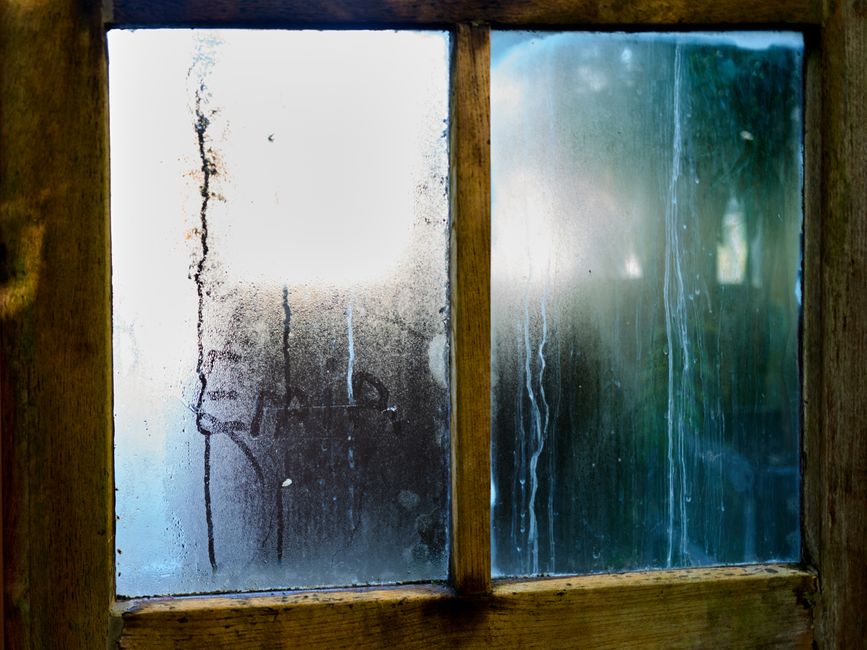
- Condensation on pipes, windows, or walls in summer months
- Mold or mildew growth on stored boxes, clothing, or wood surfaces
- Musty odor that returns within days of cleaning
- Allergy symptoms or respiratory irritation that worsen at home
- Efflorescence (white mineral deposits) indicating ongoing moisture migration through walls
- Subfloor or floor joist surfaces that feel damp to the touch
- Insulation falling or sagging between floor joists due to moisture absorption
Why This Problem Occurs
New Jersey summers bring dew points regularly above 65°F. When that humid outdoor air enters a basement through vents, windows, or the building envelope, it contacts the cooler wall and floor surfaces and condensates — the same process that fogs a cold glass in summer. The stack effect then draws that moisture-laden air upward through the house: warm air rises through ceiling penetrations and wall cavities, pulling basement air — along with mold spores, VOCs, and odors — into the living space above. Fort Lee's clay soil also contributes: clay holds water against the foundation wall for extended periods after rain, maintaining a consistent moisture source even when outdoor humidity drops. Homes with block foundations have a higher baseline moisture load because the hollow block cores and mortar joints are more permeable than poured concrete.
What Affects the Cost
Every job is scoped individually. The factors below drive price variation:
- Dehumidifier capacity in pints per day — larger spaces or severe humidity loads require larger units
- Whether a low-temperature basement-rated model is needed for year-round operation
- Condensate pump installation if no gravity drain exists nearby
- Whether ductwork or a distribution system extends coverage to multiple zones
- Condition of existing ventilation and whether additional airflow improvements are needed
Further Reading
Frequently Asked Questions
- What humidity level should a basement be?
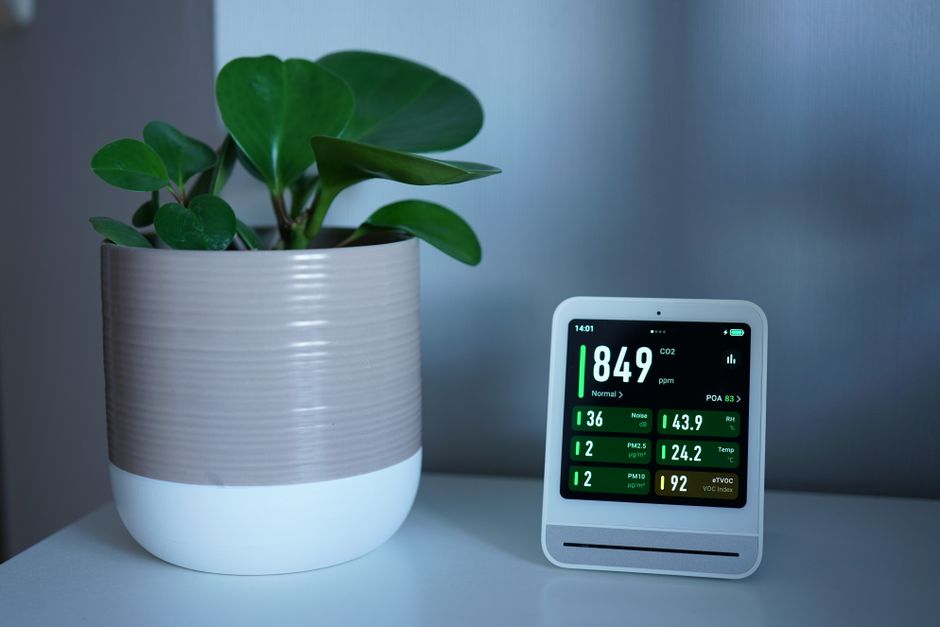
- Between 45% and 55% relative humidity is the target range. Below 45% causes wood shrinkage and static electricity; above 60% sustains mold growth and dust mite populations. A hygrometer placed in the basement will give you a baseline reading before installation.
- What size dehumidifier do I need for a basement?
- Sizing depends on square footage and the severity of the moisture problem. A moderately damp 1,000 sq ft basement typically needs a 50-pint unit; severe dampness or larger spaces require 70-pint or larger commercial-grade units. Undersizing causes the unit to run continuously without reaching target humidity, burning out the compressor prematurely.
- Should I buy a portable dehumidifier or have one installed?
- Portable units are adequate for light moisture control in smaller spaces. For basements with ongoing moisture problems, a permanently installed unit with a continuous drain line is more effective — it operates as needed without manual emptying and is designed for the lower temperatures and higher moisture loads typical of basements.
- Will a dehumidifier fix a wet basement?
- No. A dehumidifier controls airborne humidity — it does not stop water from entering through cracks or the floor-wall joint. If water enters during rain, that source needs to be addressed with waterproofing before a dehumidifier is installed. Using a dehumidifier to manage active water intrusion burns out the unit quickly and fails to address the underlying problem.
- How much does it cost to run a basement dehumidifier?
- A 70-pint unit running 12 hours per day in summer costs approximately $15 to $25 per month in electricity at typical NJ utility rates. ENERGY STAR-rated units consume significantly less than older portable models. Running costs drop in winter when outdoor humidity is lower and the unit cycles on less frequently.
Ready to address your basement dehumidification problem?
Free assessments include a full inspection and a straight answer about what is causing the problem and what it will take to fix it.