Fort Lee Basement Waterproofing
Licensed NJ Home Improvement Contractor
What Is Foundation Crack Repair?
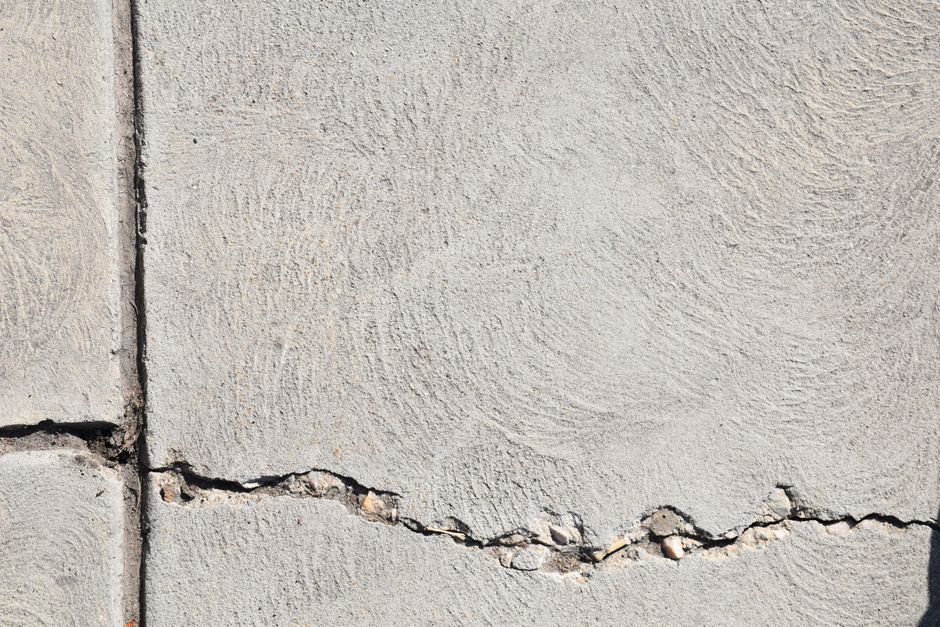
Foundation crack repair in Fort Lee, NJ starts with understanding what kind of crack you have. A hairline shrinkage crack in a poured concrete wall behaves differently than a horizontal crack caused by soil pressure, and treating them the same way leads to failed repairs. The right fix depends on whether the crack is actively leaking, whether it is growing, and whether it signals a structural problem or a settlement issue.
What This Service Involves
Crack repairs fall into three categories. Polyurethane injection expands to fill the crack and stops water intrusion in poured concrete walls — it is flexible enough to accommodate minor movement. Epoxy injection bonds the two sides of the crack together and restores structural strength, but it requires a dry crack. Horizontal cracks caused by lateral soil pressure often need carbon fiber straps anchored to the floor and the first-floor framing to prevent further bowing. The right method is chosen after measuring the crack width, checking for displacement, and reviewing the surrounding wall for staining patterns.
Signs You May Need Foundation Crack Repair
- Visible cracks in poured concrete or block foundation walls
- Water seeping through a crack after rain or during spring thaw
- Stair-step cracking along block or brick mortar joints
- Horizontal crack across the middle of a block wall
- Wall that appears to be bowing or leaning inward
- Crack that has widened noticeably over one or two seasons
Why This Problem Occurs
Foundation cracks develop from three main forces: hydrostatic pressure from saturated soil pushing inward, differential settlement where one section of the footing sinks faster than another, and the normal shrinkage of concrete as it cures. In Fort Lee, the clay soil stores water for extended periods after rain, which increases lateral pressure against the wall. Vertical and diagonal cracks near corners usually indicate settlement. Horizontal cracks across the wall face are the most serious because they indicate the wall is losing the battle against soil pressure and bending inward.
What Affects the Cost
Every job is scoped individually. The factors below drive price variation:
- Number and length of cracks being treated
- Whether polyurethane, epoxy, or carbon fiber straps are needed
- Whether the crack is actively wet, which affects material choice
- Accessibility — cracks on the interior are easier to reach than those requiring exterior excavation
- Whether the crack has displaced, indicating a structural concern that requires engineering input
Repair vs. Replacement
Most poured concrete cracks can be injected and sealed without replacing the wall. Block walls with widespread cracking or significant bowing may reach a point where injection repairs are not sufficient and wall reconstruction becomes more cost-effective in the long run. We will tell you directly if a crack is beyond injection repair rather than selling you a fix that will not hold.
Further Reading
Frequently Asked Questions
- Is every foundation crack a structural problem?
- No. Vertical and diagonal cracks near corners often result from normal concrete shrinkage or minor settlement and do not threaten the wall's structural integrity. Horizontal cracks are more concerning because they indicate lateral pressure. We assess each crack individually — do not assume the worst, but do not ignore horizontal cracks.
- How long does crack injection take?
- A single crack injection takes two to four hours including the injection and initial cure. You can use the area normally the same day. Full cure of the polyurethane or epoxy takes 24 to 48 hours.
- Will the crack come back after repair?
- Injection seals the crack at the treated location. If the underlying pressure — soil movement, settlement, or ongoing hydrostatic pressure — is not addressed, new cracks can form nearby over time. We will flag whether a drainage solution is also recommended during the assessment.
- Do I need a structural engineer before crack repair?
- For straightforward injection repairs on poured concrete, an engineer is not required. For horizontal cracks, displaced cracks, or walls that have visibly bowed, we recommend an engineering assessment before deciding on a repair method.
Ready to address your foundation crack repair problem?
Free assessments include a full inspection and a straight answer about what is causing the problem and what it will take to fix it.